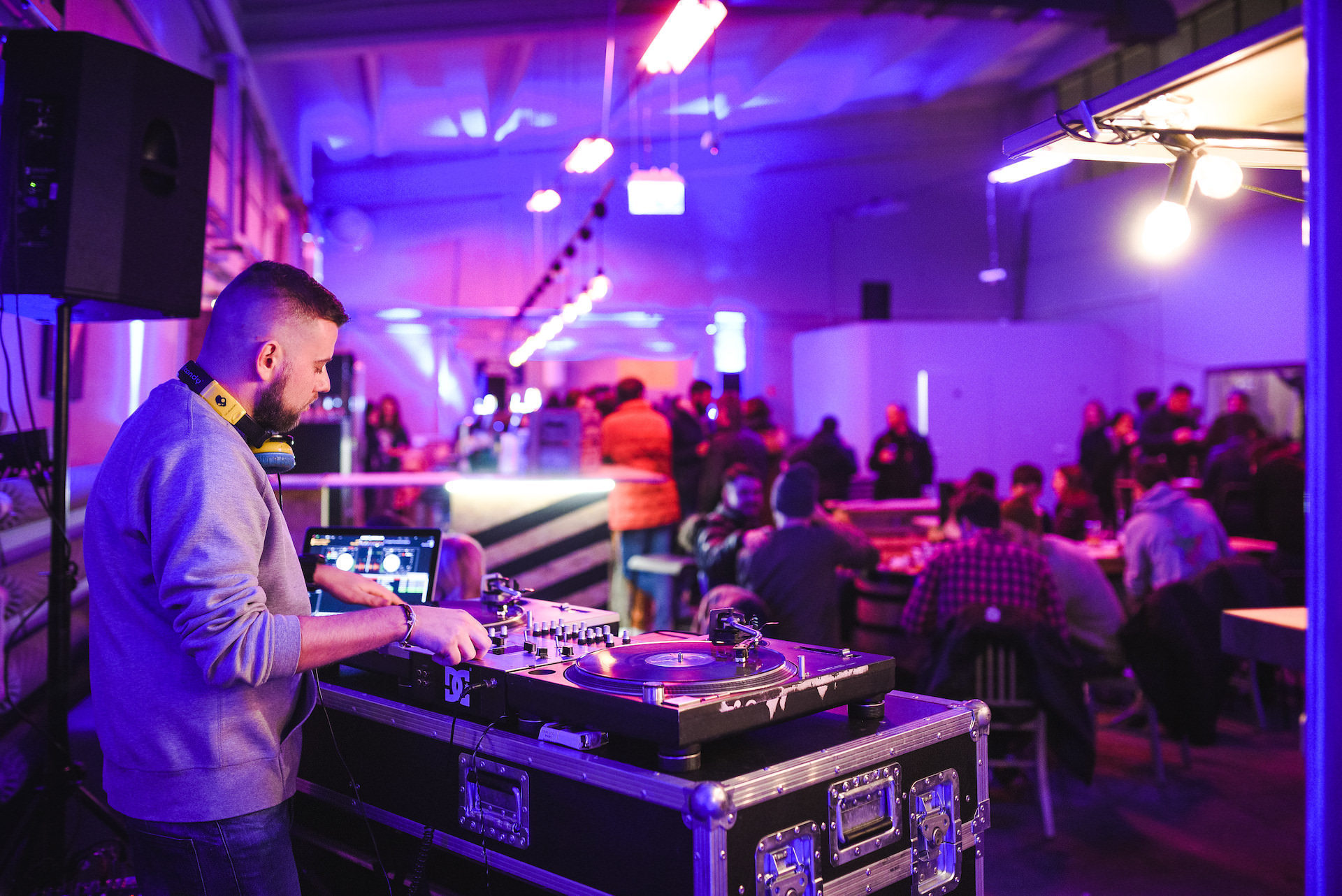
On 12-13 February 2022, the seventh Warsaw Coffee Festiwal took place at the Palace of Culture and Science. This time I wasn’t there to cover the whole fair. I was asked to photograph the Caffe Grano team, whom I’d already worked with on product and personal branding shoots and at other coffee fairs. My wife showed up too, since she also drinks Caffe Grano coffee. You can find her on Instagram as @bigajek. While you’re there, check her profile for a Caffe Grano discount code.

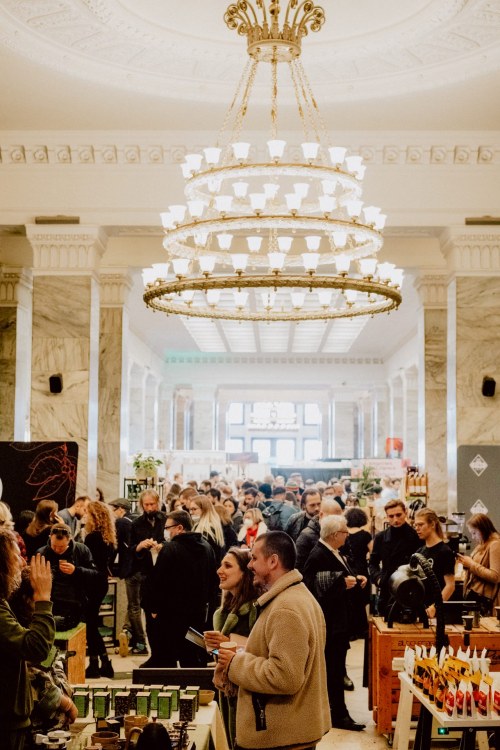
A fair at the Palace of Culture and Science in Warsaw
The Palace of Culture and Science is a great place for a fair, mainly because of its location, and it’s a fairly big space for this kind of event too. Unfortunately, that location also draws a lot of random visitors who just want to pop in for a moment to see what’s going on, and the queue builds up like something out of a Bareja film. Still, there are often some good events here that are worth dropping in on, such as:
- Wedding fairs
- Ekopiekno natural cosmetics fair
- Warsaw Book Fair
- Franchise fairs
- Vege Festival
- Shoe and bag fairs
- Job fairs
- MUSTACHE.pl YARD SALE
But the space where they’re usually held bothers me a bit, because it’s a horseshoe-shaped area that you walk through, with only the occasional double fork. Most of the stands are in one line, so it’s easy to see every exhibitor and not miss anyone. In a layout like that, though, jams and bottlenecks often form because of little groups who stop in the passage and block the flow. You don’t get this problem at trade fairs in the Expo halls, where the stands are sometimes even more spread out, there’s more open space, and the aisles cross in several places, so it’s easier to turn back instead of being dragged along by a stream of people.
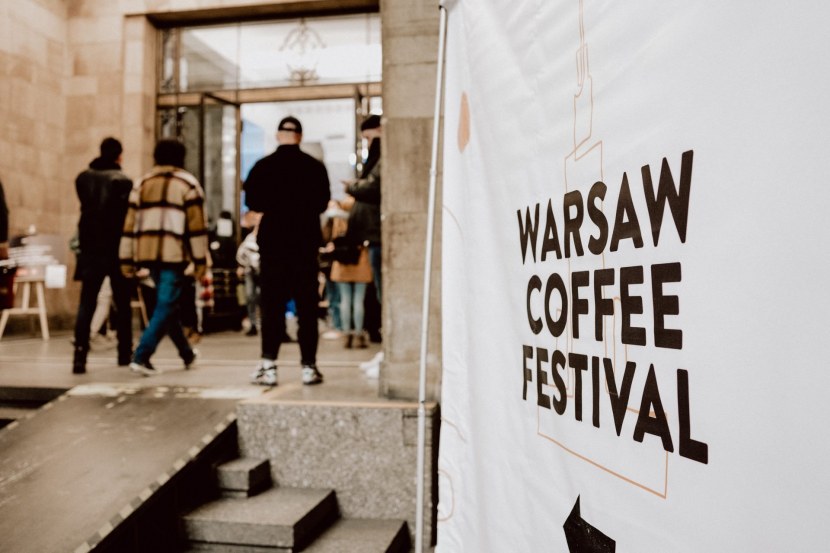


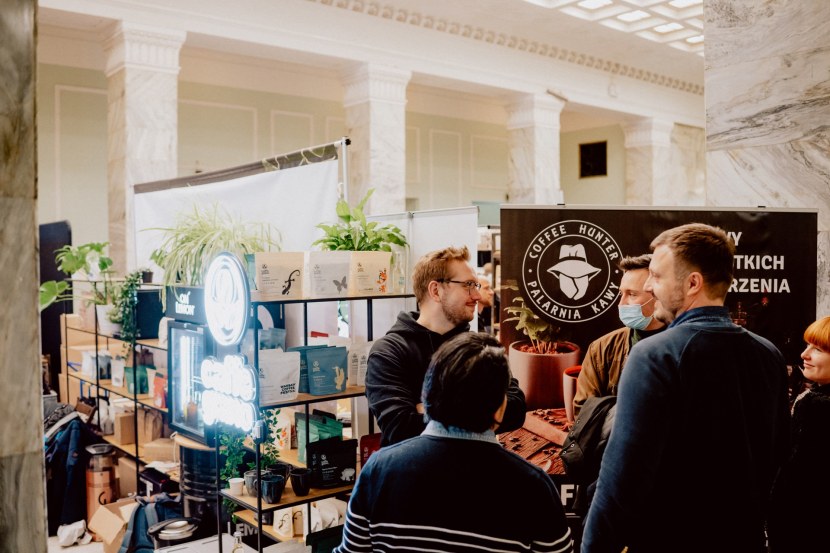
I once went there to shoot with a photography backpack, and even though I was standing still, someone kept bumping into me and getting in the way of my shots. The next time I took just an ordinary backpack with my gear ready to go, and left the empty one in a safe place. Although at events like this it’s hard to find anywhere to leave something safely under lock and key.
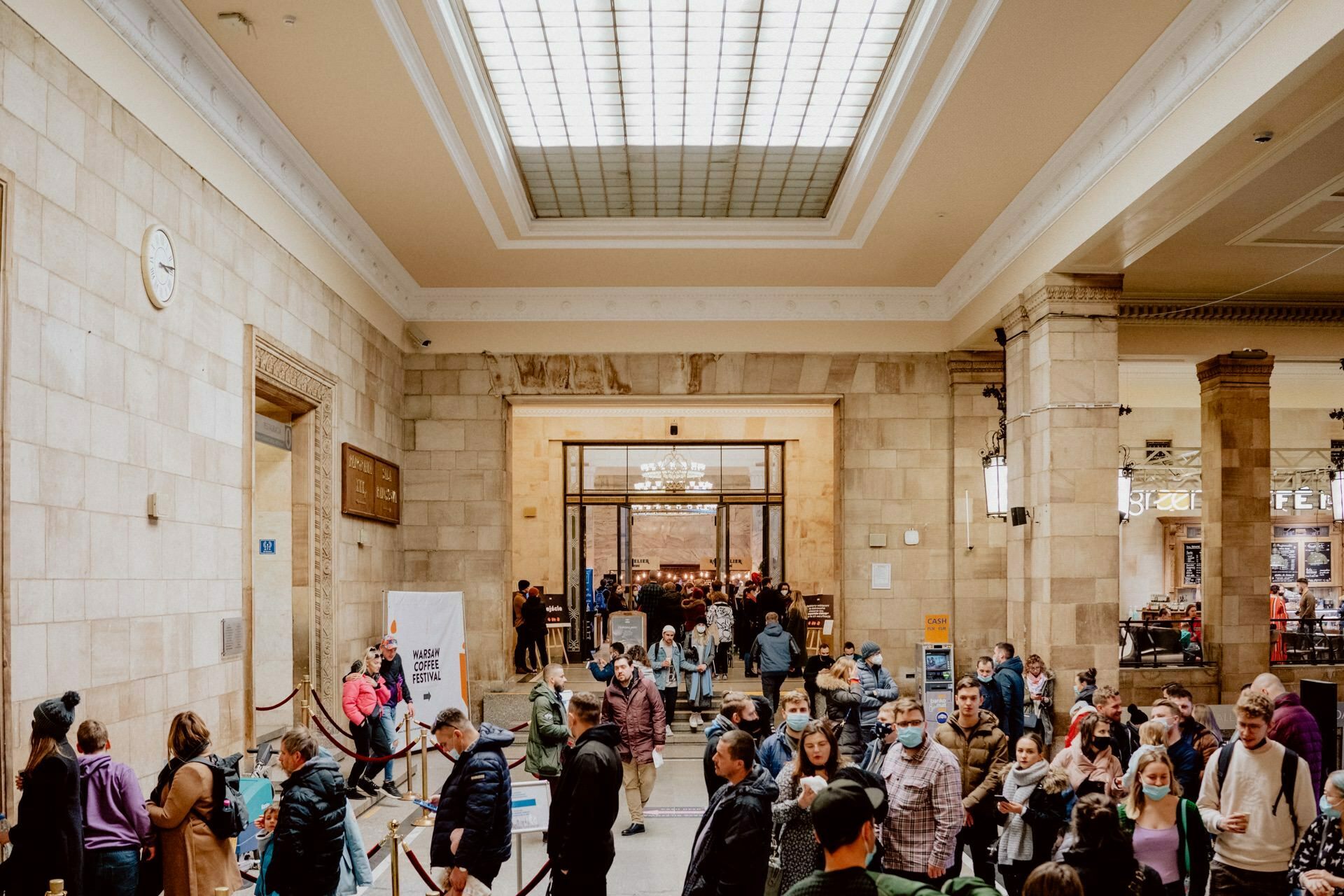
Warsaw Coffee Festiwal
According to the organisers, Warsaw Coffee Festiwal is “The biggest coffee event in this part of Europe!”. For me a fair is a fair, but in the pandemic era it really is a big event, even though I associate big trade fairs with the Expo hall or Ptak Expo, not to mention events like CES in Berlin, where you can hardly walk past all the stands in one day. Let alone visit every one of them. Still, I’d say Warsaw Coffee Festiwal is a big event, because there were enough exhibitors that you could easily spend two days there visiting every stand and learning a bit about each exhibitor.
Coffee workshops
At Warsaw Coffee Festiwal there was also an Edu Zone, where training sessions and presentations were held. That way, over two days you can learn a great deal about coffee, roasting and brewing techniques.

For the amateur, coffee is powder in a bag that you pour boiling water over, add milk and sweeten with a few teaspoons of sugar. But you can talk about coffee non-stop and keep learning something new. At events like this you can find out which parts of the world coffee comes from and who is behind it. Because there’s a difference between independent roasteries, which source their coffee from plantations and fair supply chains, and giants like Starbucks, which see only business in it and don’t care that their beans are picked by children who get paid the equivalent of about PLN 20 a day for it. That probably wasn’t discussed at the fair, but it’s worth knowing whether your pretty cup with your name written on it isn’t supporting exploitation. Back to the subject of coffee.

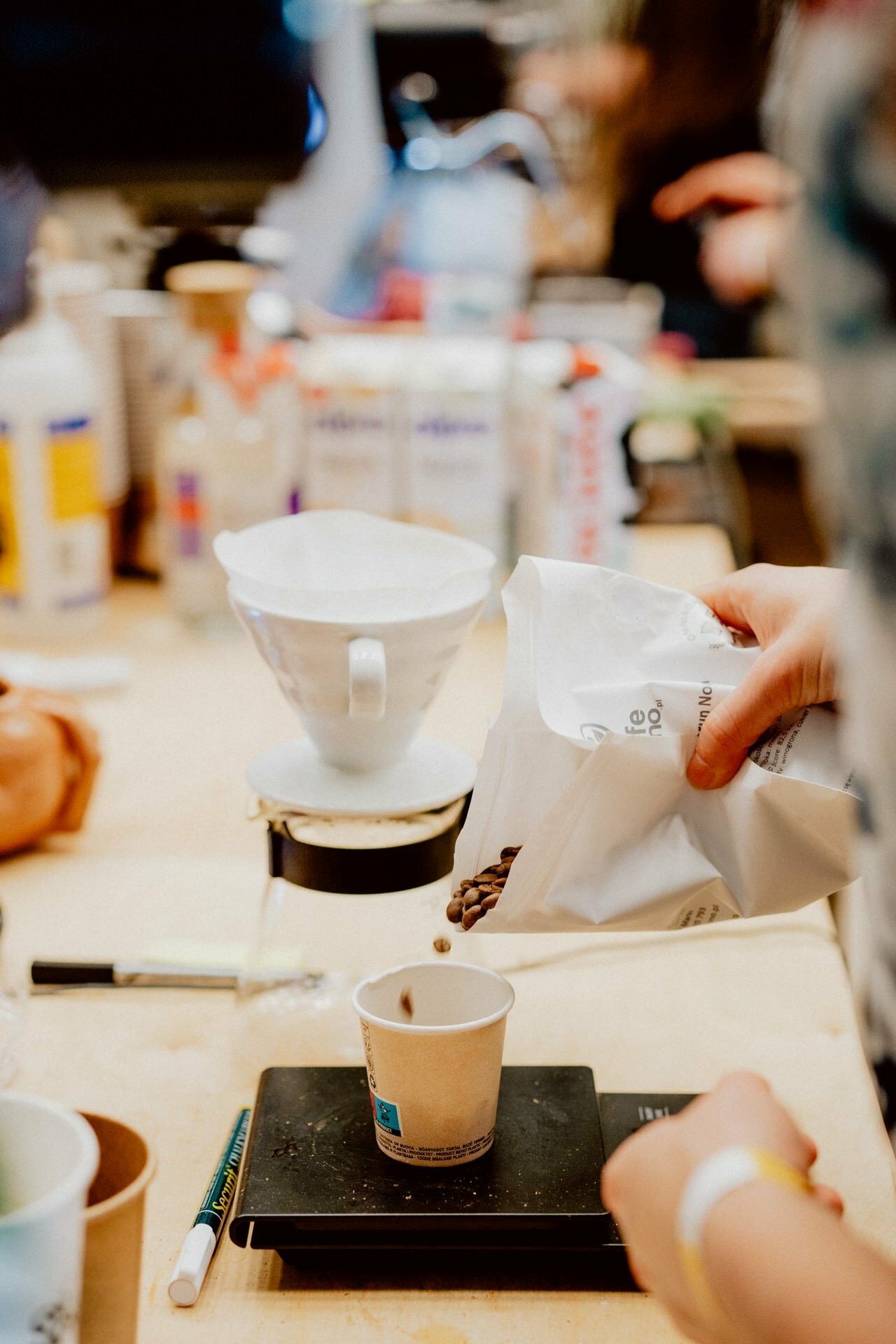
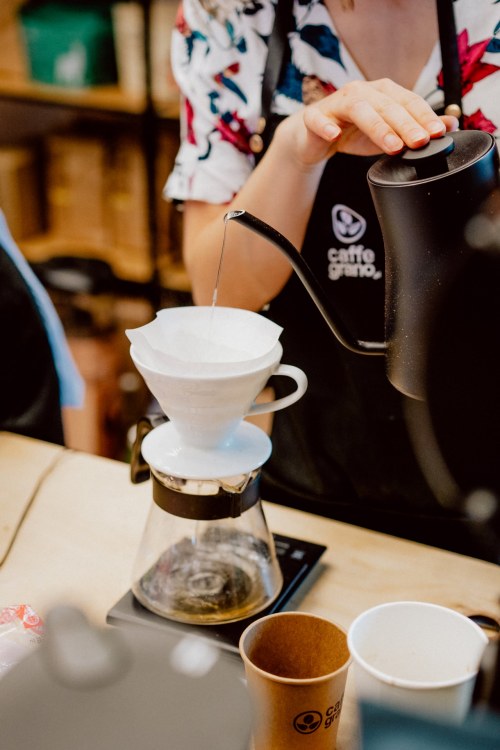
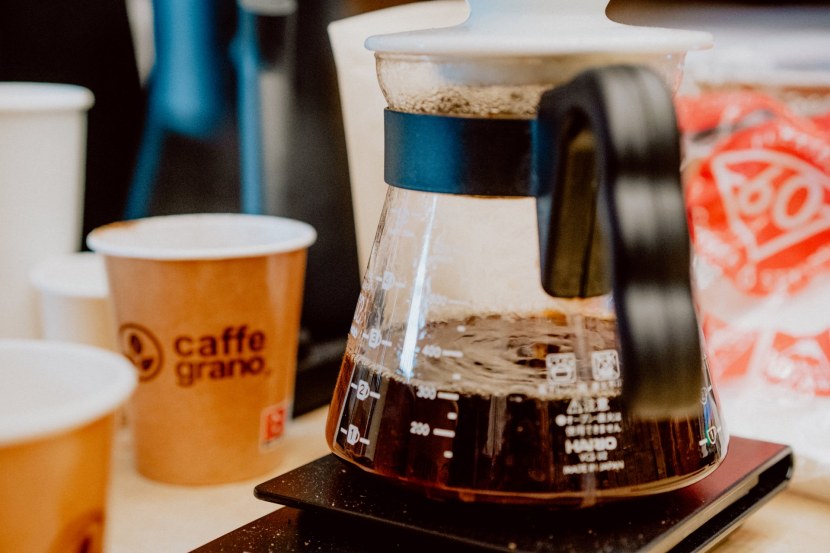
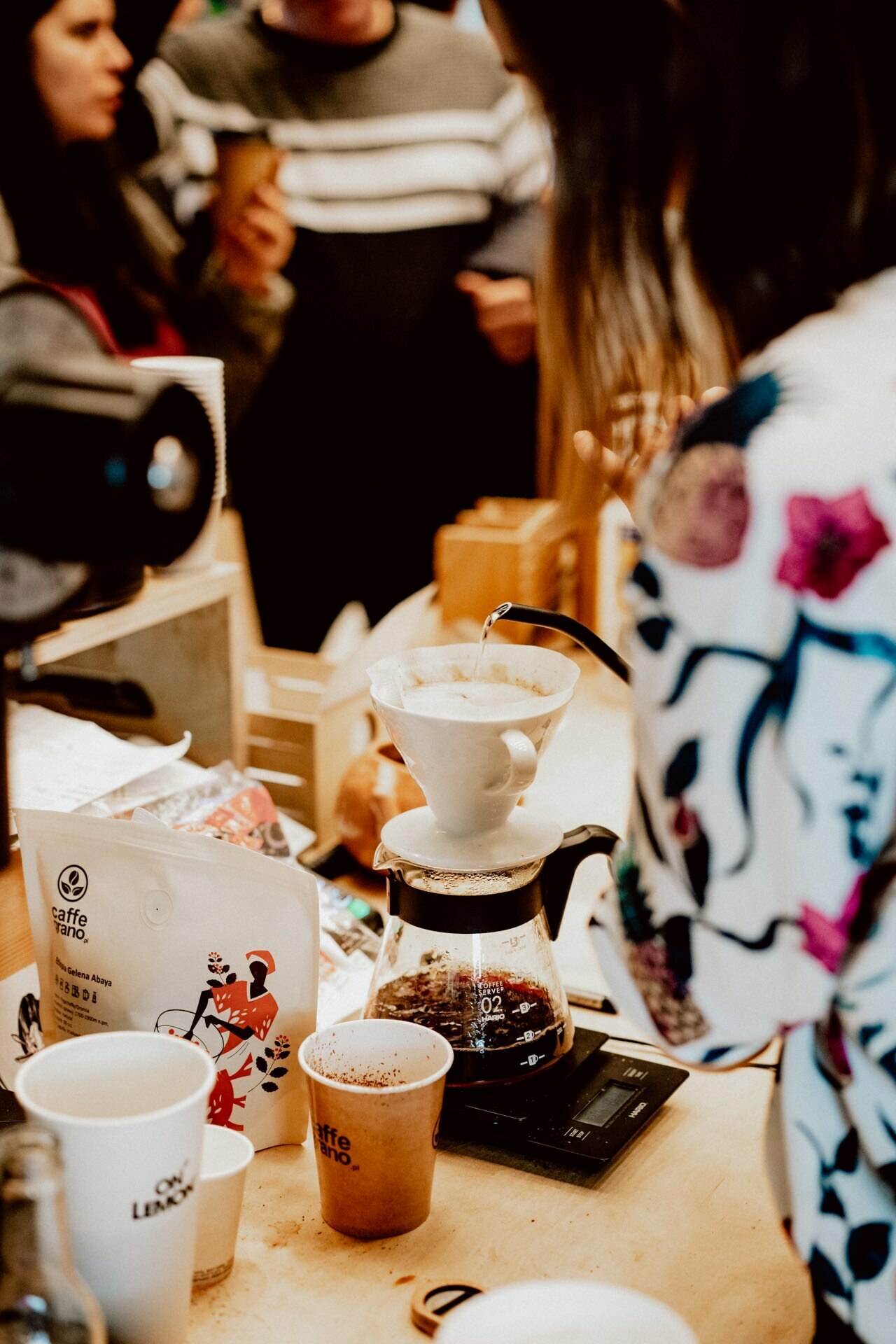
You can also say a lot about the water itself before we even pour it over the coffee, so there’s plenty to talk about. And once we’ve boiled the water, you need to know the right temperature for pouring it. Somewhere halfway through, the topics of grinding coffee for specific techniques and how to use them begin. A lot, right? Exactly. At Coffee Warsaw Festiwal there was a lot about patience, because good coffee demands it. I’m finding that out myself at home with a simple grinder, a Chemex and its filters, brewing my wife’s favourite coffee.


Barista competitions
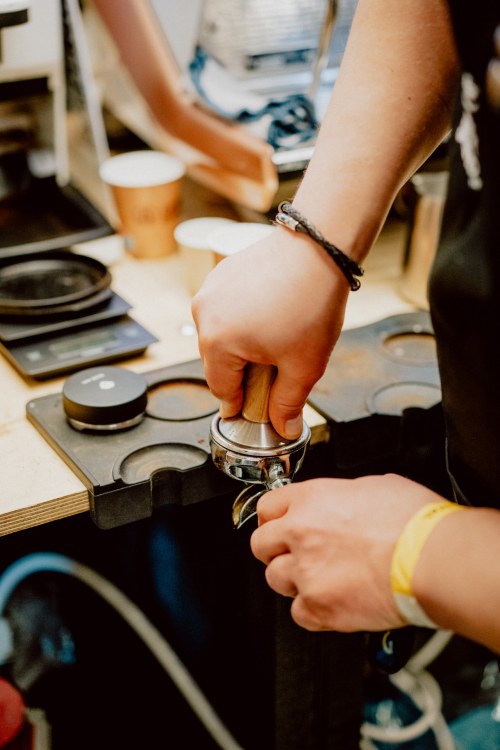
Besides the coffee workshops, there were also barista competitions:
- Polish Coffee in Good Spirits Championship
- Polish Barista Championship
- Polish Cezve/Ibrik Championship
Unfortunately I wasn’t there for them, and I don’t know enough to say much on these topics, so I’ll only mention that they took place, but I didn’t take any photos there.
Fairs during the Covid-19 epidemic
I won’t write about what the government requires, because it keeps changing, I’ll just say how I see it. What is officially said on the subject you’ll find on gov.pl, where the Guidelines for trade fair organisers during the COVID-19 epidemic in Poland are described. In short, there are some limits on the number of people per square metre, with vaccinated people not being counted. So in one place there can be 10 vaccinated people and 150 unvaccinated ones rubbing elbows.
Expectations versus reality at fairs
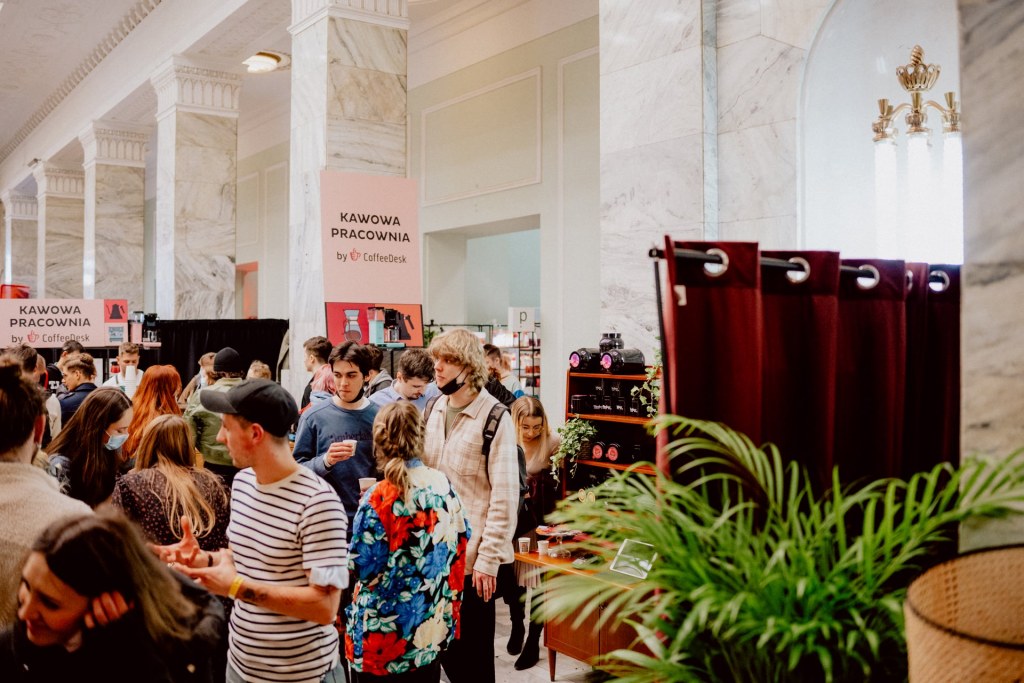
How does it work in practice? Most events work on this kind of split, but from what I’ve noticed, vaccinated people are counted on entry, and nobody checks who has left. That way the proportions shift, and after a while nobody knows whether it was mostly unvaccinated people who left and more can come in, or vaccinated people who weren’t being counted. In practice, fairs look like our public transport in Warsaw. Crowds waiting in a warm passage, so that you can hardly get through such a queue, because people climb onto each other’s backs just to be closer to the entrance. It’s really cramped inside too, and even if everyone were vaccinated, I don’t see the logic, because you can still pass on illness anyway, any illness. I won’t dwell on the topic any further, but I do understand a bit of the outrage of the so-called tinfoil-hat crowd at such absurdities.
I’ll just add one more gripe: vaccinated people are asked to show their certificates. Nobody is obliged to do that, so if someone runs an event like this, or a food business, and doesn’t want to lose a customer, do you think they’ll refuse someone entry because they don’t want to show it? I’ve seen this myself several times in various venues, where it’s turned into an unnecessary formality, and I even heard lines like “You’re welcome not to show them, so there’s no problem. You’ll get in anyway.” I think everyone has a brain of their own and should always use common sense when going to events like these.
Caffe Grano stand at Warsaw Coffee Festiwal
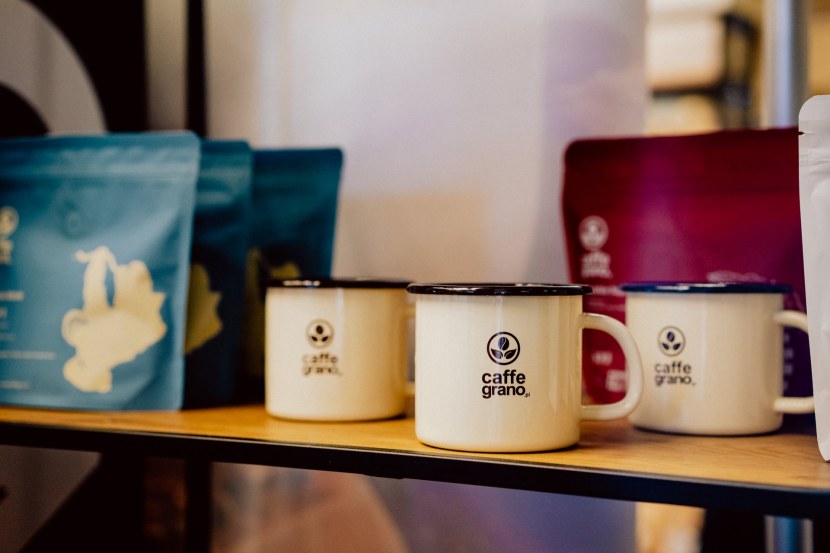
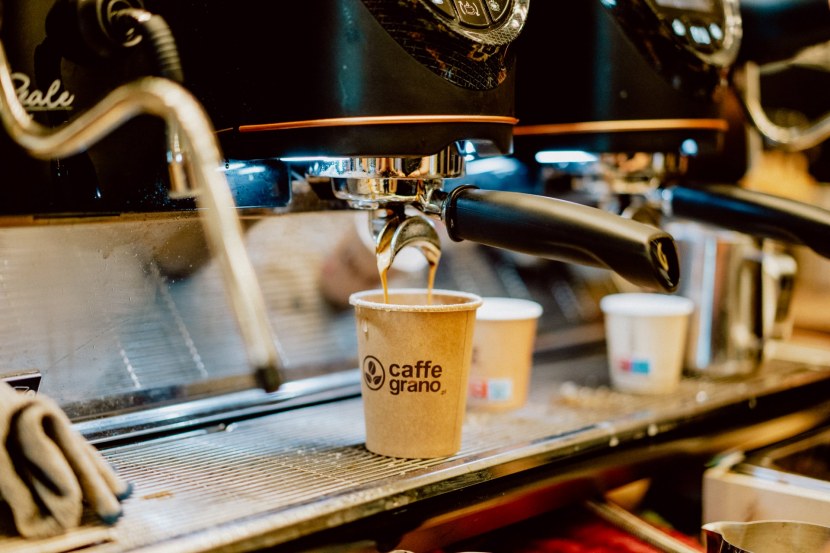
At Warsaw Coffee Festiwal I was invited by Caffe Grano, a local coffee roastery from Warsaw that works with coffee on many fronts. From its own roastery and coffee sales to full office service, supplying coffee machines, servicing them, and their own fresh coffee. They choose the beans and the way they’re roasted themselves, so they can offer fresh coffees with the best smell and aroma. Since I tried their coffee, I stopped buying it in supermarkets, and over time I also equipped myself with my own grinder, moka pot, pour-over and French press. Now I know how coffee should taste, thanks to Caffe Grano.


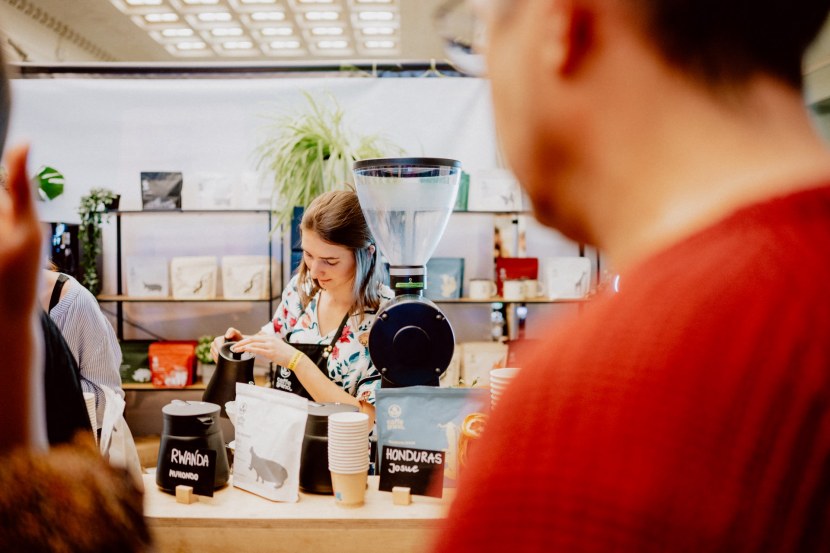
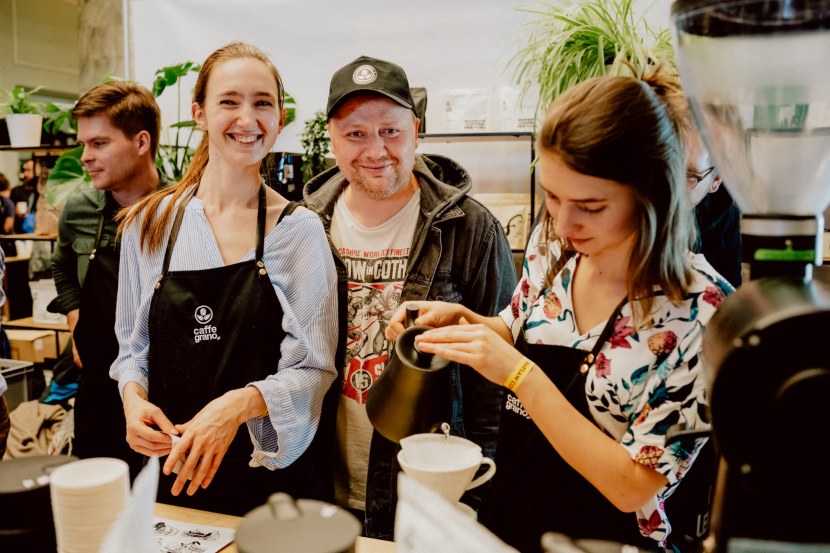
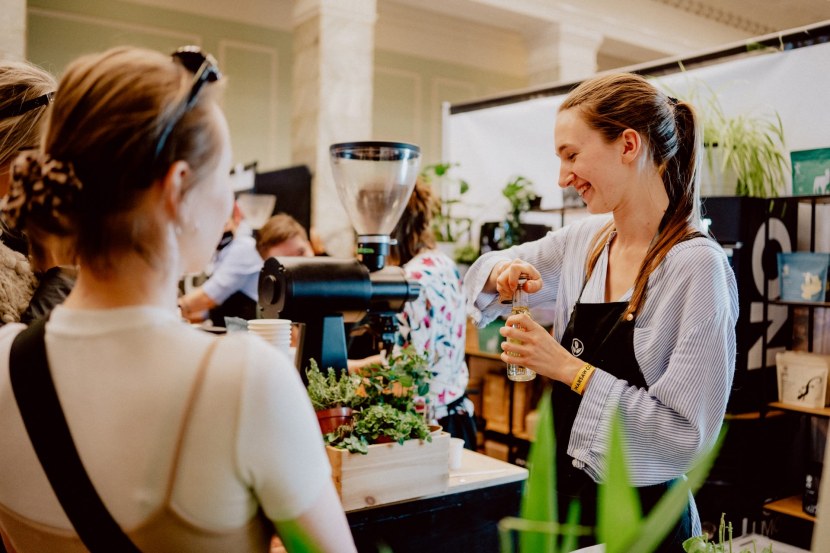


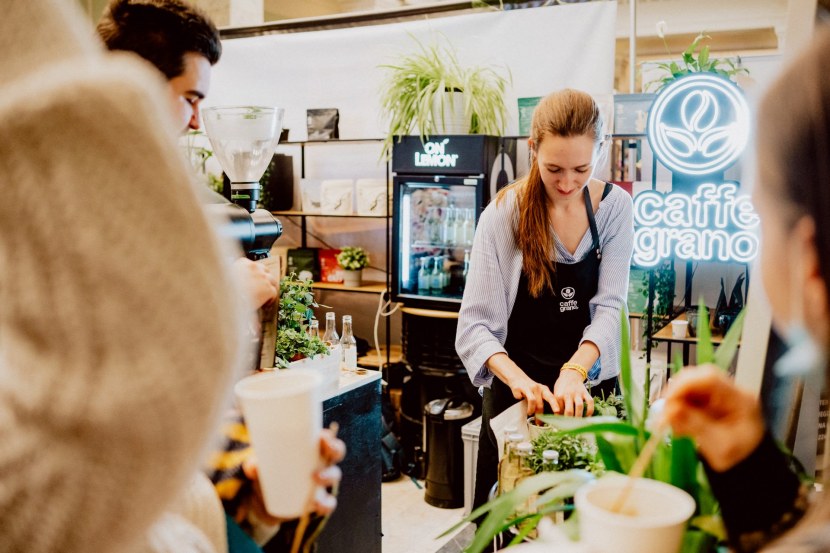


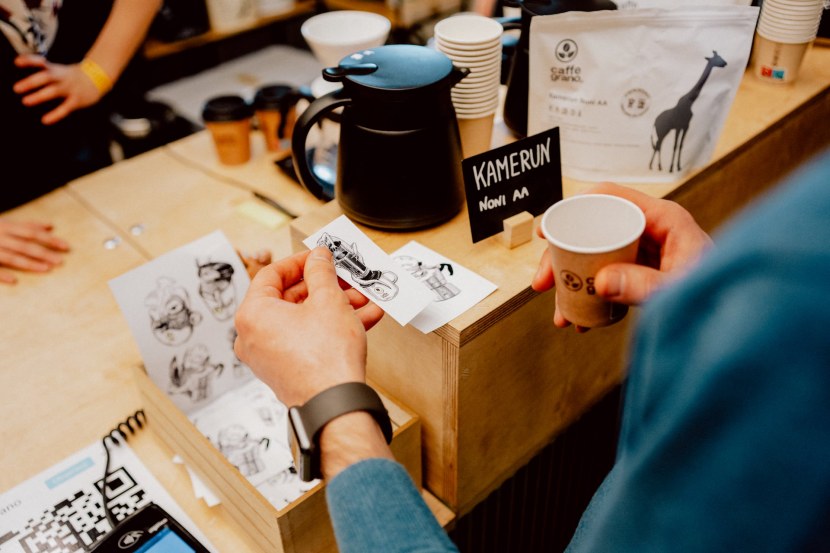
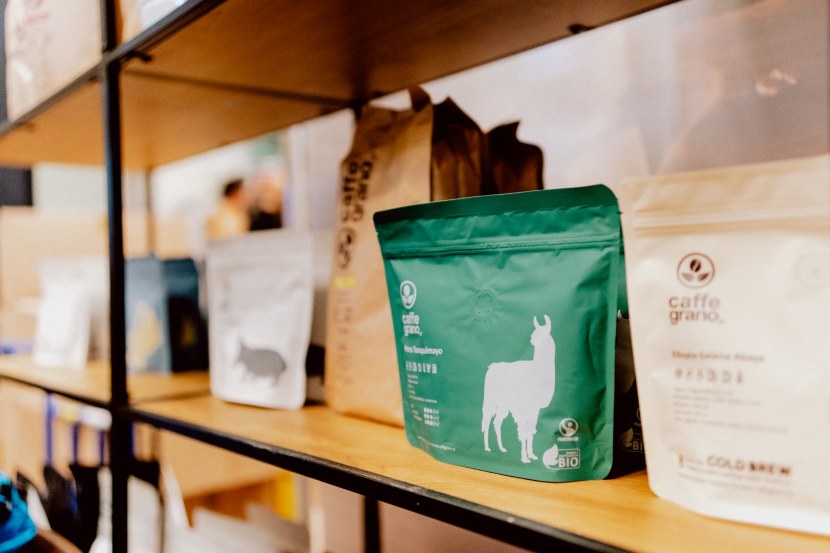
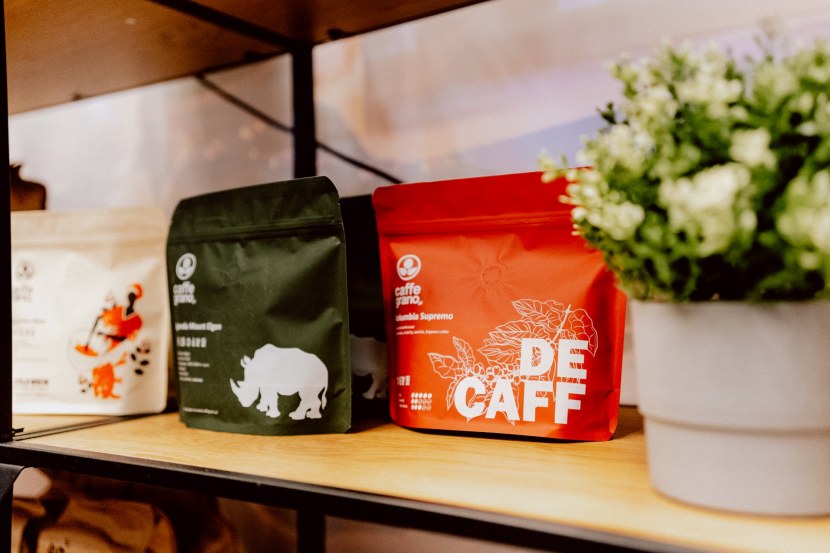
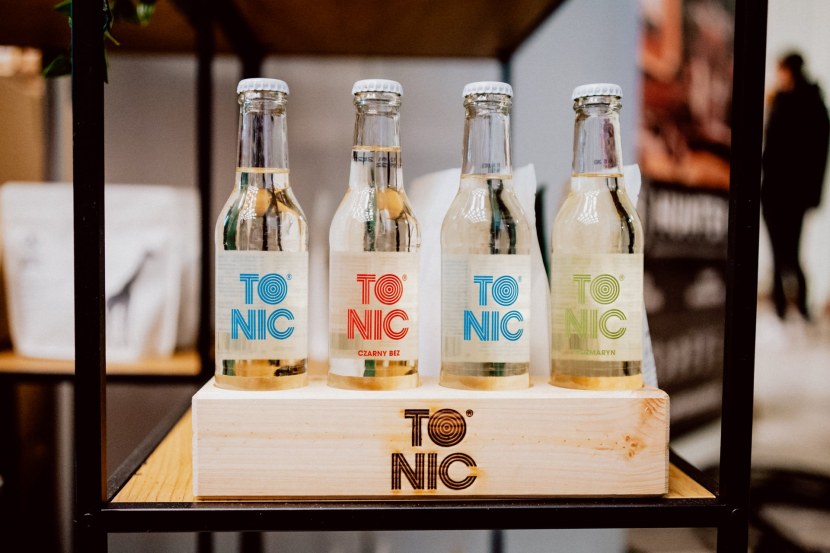
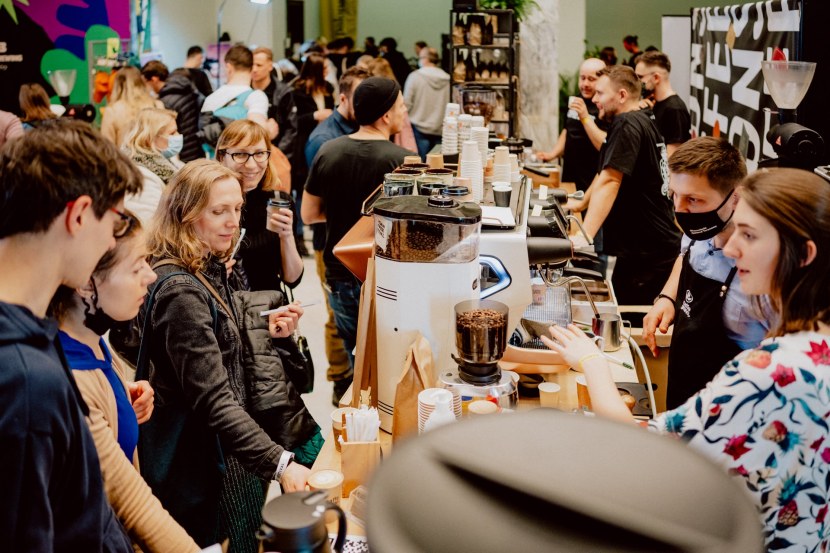
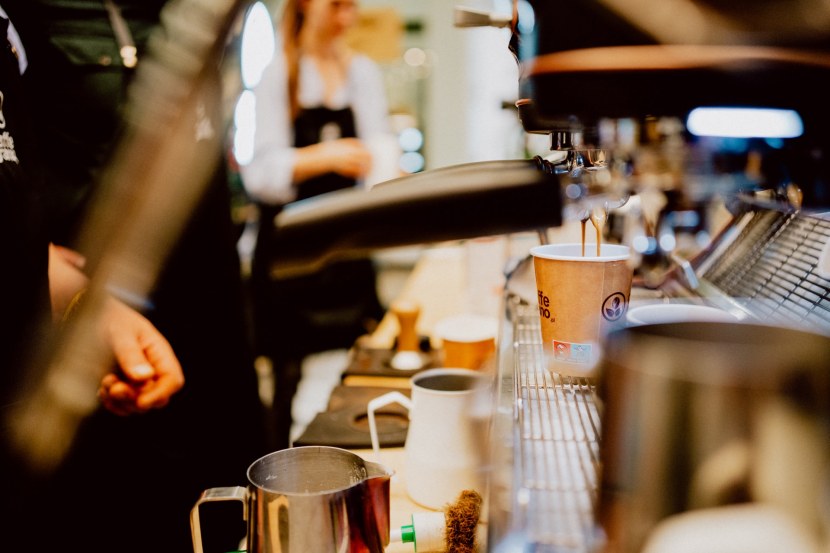

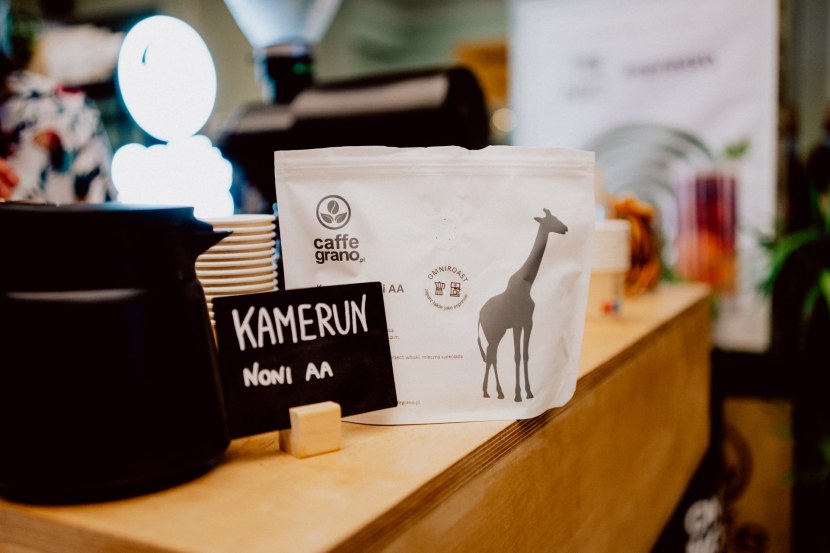

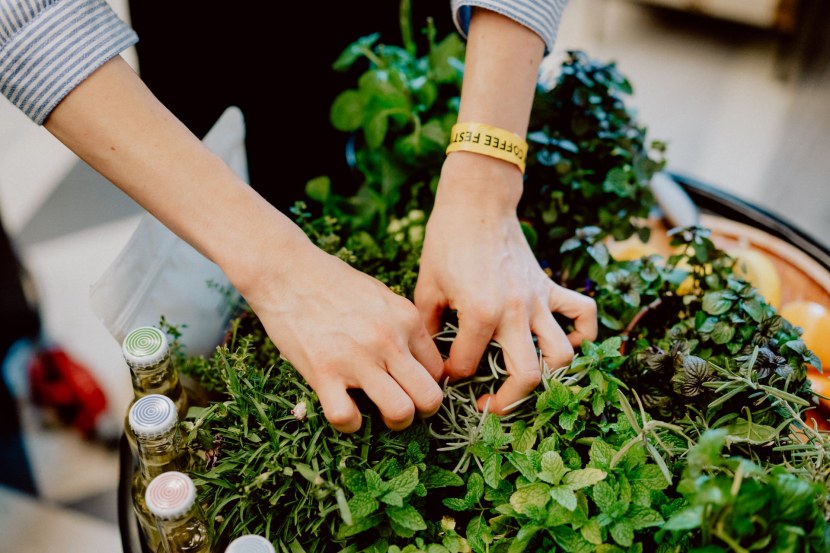
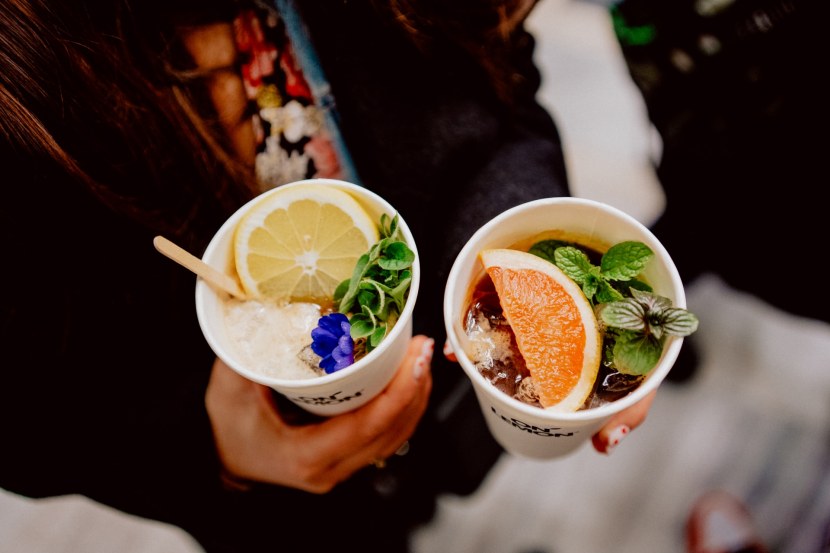
For Warsaw Coffee Festiwal, Caffe Grano prepared its own coffee, roasted specially for the occasion. An extra attraction at the fair was a collaboration with the brand On Lemon, which prepared a special #espressotonic from a combination of their tonics, Caffe Grano coffee and fresh herbs. It was a unique chance to try flavours like these, because an opportunity like this doesn’t come along every day, especially as the festival coffee sold out very quickly. This is what you could hear about it:
“Coffees from Mexico are often characterised by pleasant, dessert-like aromas such as cocoa, roasted nuts or warm spices. This one is no different. The El Triunfo brew is a blend of notes of dark chocolate, roasted hazelnuts, caramel, sweet peach and orange, with a smooth, velvety body and a long, cocoa-nougat finish.”
Igor Stiskun
So no wonder it disappeared quickly, within those two days.